

What Is a TMJ Disorder?
Your jaw does a lot of work. Every time you chew, speak, yawn, or laugh, a small but remarkably busy joint on each side of your face is doing the heavy lifting. That joint is called the temporomandibular joint, though most people just call it the jaw joint. It connects your lower jaw to your skull, sits just in front of each ear, and works in a way that's more complex than most joints in your body. It slides and rotates at the same time, which is part of why it can be so sensitive when something goes wrong.
A TMJ disorder is a condition that affects one or both of those jaw joints, along with the muscles and tissues surrounding them. Symptoms can range from a mild clicking sound when you open your mouth to more disruptive issues like jaw pain, headaches, or difficulty chewing. At Elmbrook Family Dental, we treat these disorders frequently, and the solution is often simpler than it seems.
This article is here to help you make sense of what you might be experiencing and understand what your options look like, without making it feel more overwhelming than it needs to be.
Quick Overview
- TMJ disorders affect the jaw joints, surrounding muscles, and related tissues. They are common and, for most people, very treatable without surgery.
- Symptoms vary widely. Jaw pain, clicking sounds, headaches, ear discomfort, and limited jaw movement are all worth mentioning to your dentist.
- Noise without pain is still a symptom. A jaw that clicks every time you yawn is telling you something, even if it doesn't hurt yet.
- Most TMJ care starts conservatively. Custom night guards, jaw exercises, and bite adjustments are often enough to bring real relief.
Common Symptoms and How They Show Up

TMJ disorders don't look the same for everyone. Some people notice a clicking or popping sound when they open their mouth. Others experience soreness, headaches, or a jaw that feels tired after eating or talking. Because the symptoms can vary so much, many people aren't sure whether what they're experiencing is actually related to their jaw joint.
Symptoms Patients Most Commonly Notice
- Jaw pain or soreness, especially in the morning or after chewing
- Clicking, popping, or grinding sounds when opening or closing the mouth
- Difficulty chewing or a bite that suddenly feels "off"
- Limited jaw movement or trouble opening fully
- Headaches near the temples or behind the eyes
- Ear pain, pressure, or a feeling of fullness without an ear infection
- Tension in the face, neck, or shoulders
When Symptoms Come and Go
One reason TMJ disorders can be frustrating is that symptoms often fluctuate. You may have discomfort for a few days or weeks, only for it to improve and then return later. That cycle can make it tempting to ignore the issue, but recurring symptoms are usually worth investigating.
It's also important to know that pain isn't required for there to be a problem. A jaw that clicks, pops, or shifts regularly may still be showing signs of dysfunction, even if it doesn't hurt.
If any of these symptoms sound familiar, it's worth bringing them up at your next appointment. At Elmbrook Family Dental, we evaluate TMJ concerns regularly and can help determine what's causing your discomfort and what treatment options may help.
What Can Cause TMJ Disorders
TMJ disorders rarely have a single cause. More often, they're the result of several factors working together. You might grind your teeth, carry tension in your jaw, and have a bite that's slightly misaligned. Any one of those may not create noticeable symptoms on its own, but together they can place enough strain on the joint to cause problems.
Some of the most common contributors include:
- Teeth grinding and clenching (bruxism): Repeated pressure on the jaw joint and surrounding muscles can lead to soreness, stiffness, and inflammation. Many people don't realize they're doing it, especially while sleeping.
- Stress and muscle tension: Stress often shows up physically. Jaw clenching, facial tension, and other unconscious habits can place ongoing strain on the TMJ.
- Bite misalignment: When the teeth don't come together evenly, the jaw may compensate during everyday movements, increasing stress on the joint over time.
- Jaw injury or trauma: An injury to the jaw, face, or head can affect the joint itself or the muscles and ligaments that support it.
- Arthritis: Conditions such as osteoarthritis or rheumatoid arthritis can affect the TMJ, leading to inflammation and joint changes.
- Connective tissue disorders: Certain medical conditions can impact joint stability and contribute to TMJ-related symptoms.
In some cases, there isn't a single clear explanation for why symptoms develop. That's not unusual. The jaw is a complex system, and what matters most isn't identifying one perfect cause, but rather understanding what's contributing to your symptoms and finding an approach that brings relief.
How TMJ Disorders Are Diagnosed
Effective treatment starts with understanding what's actually causing your symptoms. That's why a TMJ evaluation focuses on the bigger picture, not just the discomfort itself.
It Starts With a Conversation
Your appointment begins with a discussion about your symptoms, when they occur, and what seems to make them better or worse. We'll also review factors that commonly influence TMJ health, including previous jaw injuries, teeth grinding, stress levels, and relevant medical history.
The Physical Examination
Next, we'll examine your jaw joint, muscles, and bite. During this evaluation, our team may assess:
- Tenderness or tension in the jaw and surrounding muscles
- Clicking, popping, or grinding during jaw movement
- How comfortably and evenly your jaw opens and closes
- Bite alignment and how your teeth fit together
When Imaging Is Needed
Many TMJ disorders can be identified through a thorough exam and symptom review alone. In some cases, however, imaging may help us gather additional information. Standard X-rays can evaluate the jaw's bony structures, while CBCT imaging provides a more detailed three-dimensional view when needed.
Because TMJ disorders can have several contributing factors, there isn't a single test that provides all the answers. A careful evaluation is often the most important part of the diagnostic process.
Non-Surgical Treatment Options for TMJ Disorders

Most TMJ disorders can be managed successfully without surgery. In fact, conservative treatment is typically the first step because it provides meaningful relief for many patients while avoiding more invasive procedures.
Common Non-Surgical Treatments We Use
- Custom night guards or occlusal splints to reduce the strain caused by clenching and grinding
- Jaw exercises and physical therapy to improve jaw function and reduce muscle tension
- Stress management and habit modification to address behaviors that place extra pressure on the joint
- Anti-inflammatory medications to help manage pain and inflammation during flare-ups
- Temporary dietary adjustments, such as avoiding hard or chewy foods while the joint settles down
The advantage of conservative care is its flexibility. Treatment can be adjusted as symptoms improve, allowing us to focus on what's working without committing you to more extensive intervention than necessary.
When More Involved Treatment Is Needed
Many people find relief with night guards, exercises, and other conservative treatments. But if symptoms persist, it may be time to consider additional options.
Depending on the cause and severity of your symptoms, treatment may include:
- Prescription medications to help manage muscle tension or inflammation
- Corticosteroid injections to reduce inflammation within the joint
- Referral to a specialist for further evaluation and treatment
What About Surgery?
TMJ surgery is rarely the first choice and is only considered in more complex cases when other treatments haven't provided adequate relief. Most people never need surgical intervention.
If a specialist referral becomes appropriate, we'll explain why, walk you through your options, and help you understand what to expect. Our goal is always to recommend the least invasive approach that has a reasonable chance of improving your symptoms.
The Connection Between Bite, Bruxism, and TMJ
Your teeth, jaw muscles, and jaw joints work together as a system. When one part isn't functioning properly, the others often compensate, which can place extra strain on the temporomandibular joint over time.
How Bite Alignment Affects the Joint
When your upper and lower teeth don't come together evenly, your jaw may shift slightly to find a more comfortable position. While that adjustment can seem minor, it can place additional stress on the jaw muscles and joints over time.
That's one reason a TMJ evaluation includes more than just examining the joint itself. At Elmbrook Family Dental, we also assess how your bite functions and whether it may be contributing to your symptoms.
Bruxism: The Grinding and Clenching Connection
Bruxism, or teeth grinding and clenching, is one of the most common factors associated with TMJ discomfort. Many people do it while sleeping and have no idea it's happening until symptoms develop.
Signs of bruxism may include worn teeth, morning jaw soreness, facial muscle fatigue, headaches, or increased tooth sensitivity. Over time, the repeated pressure created by clenching can place significant strain on both the jaw joints and surrounding muscles.
Stress and Jaw Tension
Stress often plays a role as well. Many people unconsciously tighten their jaw muscles during stressful periods, which can worsen existing TMJ symptoms or contribute to new ones.
Because bite concerns, grinding habits, and muscle tension are so closely connected, identifying the underlying contributors is an important part of building an effective treatment plan.
Living With TMJ: Managing Symptoms Day to Day
Professional treatment can make a significant difference, but there are also simple steps you can take at home to help reduce strain on your jaw and manage symptoms between appointments.
Helpful Habits During a Flare-Up
During periods when symptoms are more noticeable, it often helps to:
- Choose softer foods and avoid hard, chewy, or crunchy items
- Apply warm or cold compresses as recommended by your provider
- Pay attention to posture, especially when working at a desk
- Avoid habits like gum chewing, nail biting, or resting your chin in your hand
- Find healthy ways to manage stress and muscle tension
These adjustments won't treat the underlying cause, but they can help reduce irritation while your jaw settles down.
Flare-Ups Are Normal
TMJ symptoms often fluctuate. It's common to have periods where your jaw feels much better, followed by occasional flare-ups triggered by stress, grinding, illness, or increased muscle tension.
That doesn't necessarily mean your condition is worsening. Understanding your triggers and following your treatment plan can help reduce both the frequency and severity of future episodes.
How Elmbrook Family Dental Approaches TMJ Care
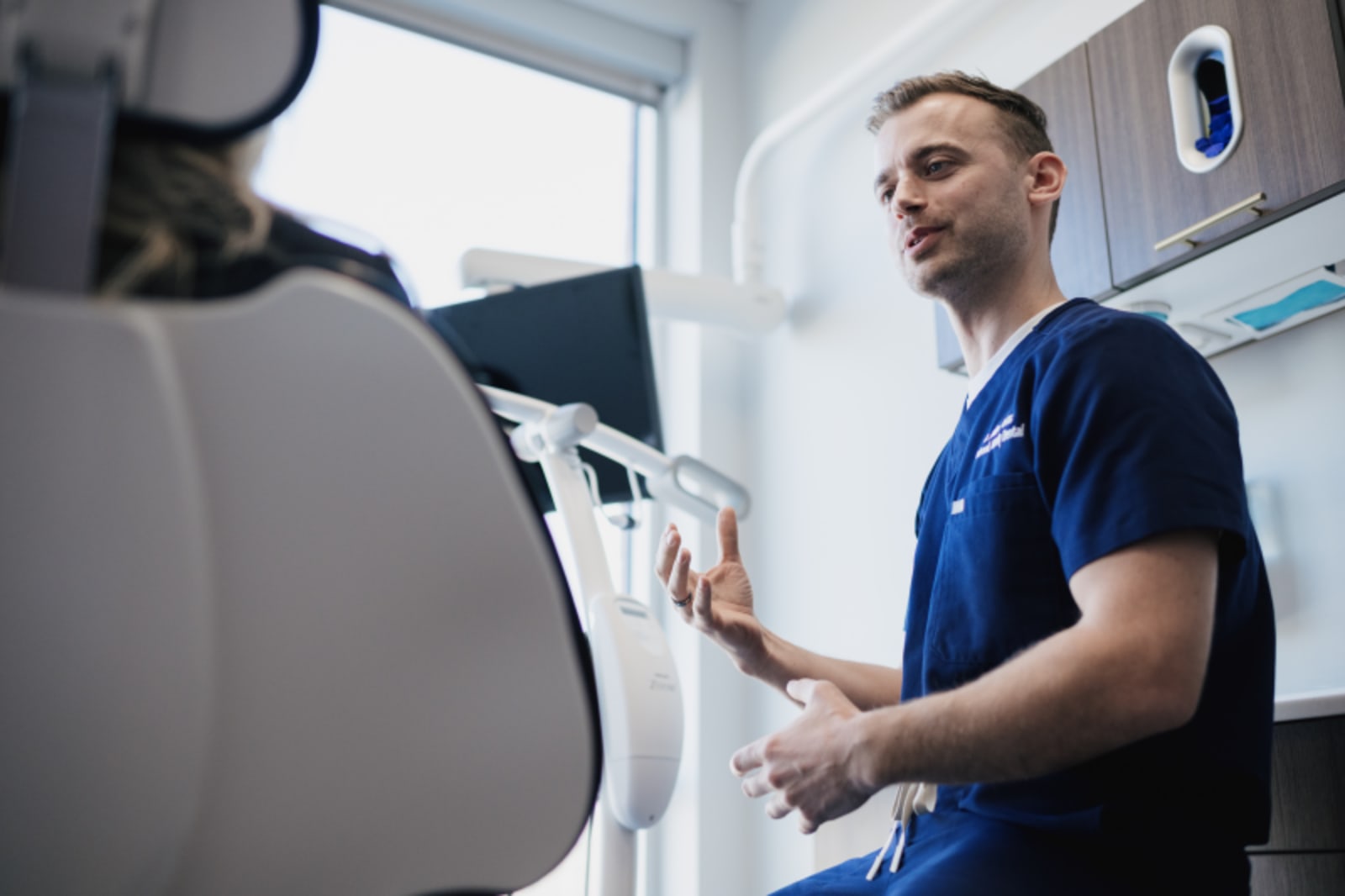
TMJ disorders can affect everything from eating and speaking to sleep quality and daily comfort. Because symptoms can overlap with other conditions, getting an accurate diagnosis is often the most important first step.
At Elmbrook Family Dental, our approach begins with understanding your symptoms, identifying potential contributing factors, and recommending the most conservative treatment options likely to provide relief.
What to Expect at Your First TMJ Appointment
A TMJ evaluation typically includes:
- A discussion of your symptoms, medical history, and habits that may be affecting your jaw
- An examination of your jaw joints, muscles, and bite
- Recommendations based on your specific findings and treatment goals
Depending on your needs, treatment may involve a custom night guard, bite-related adjustments, habit modifications, or additional evaluation when appropriate.
Our goal is simple: help you understand what's causing your symptoms and create a practical plan to address them. If you'd like, you can schedule a consultation with our team, or stop by any of our locations. We'd love to meet you!
- Brookfield (Barker Road): 595 North Barker Road, Suite 200, Brookfield, WI 53045 — (262) 923-7075
- Brookfield (Executive Drive): 125 North Executive Drive, Suite 105, Brookfield, WI 53005 — (262) 923-7075
- Wauwatosa: 800 N Mayfair Road, Suite 250, Wauwatosa, WI 53226 — (262) 923-7075