TMJ Treatment | Elmbrook Family Dental
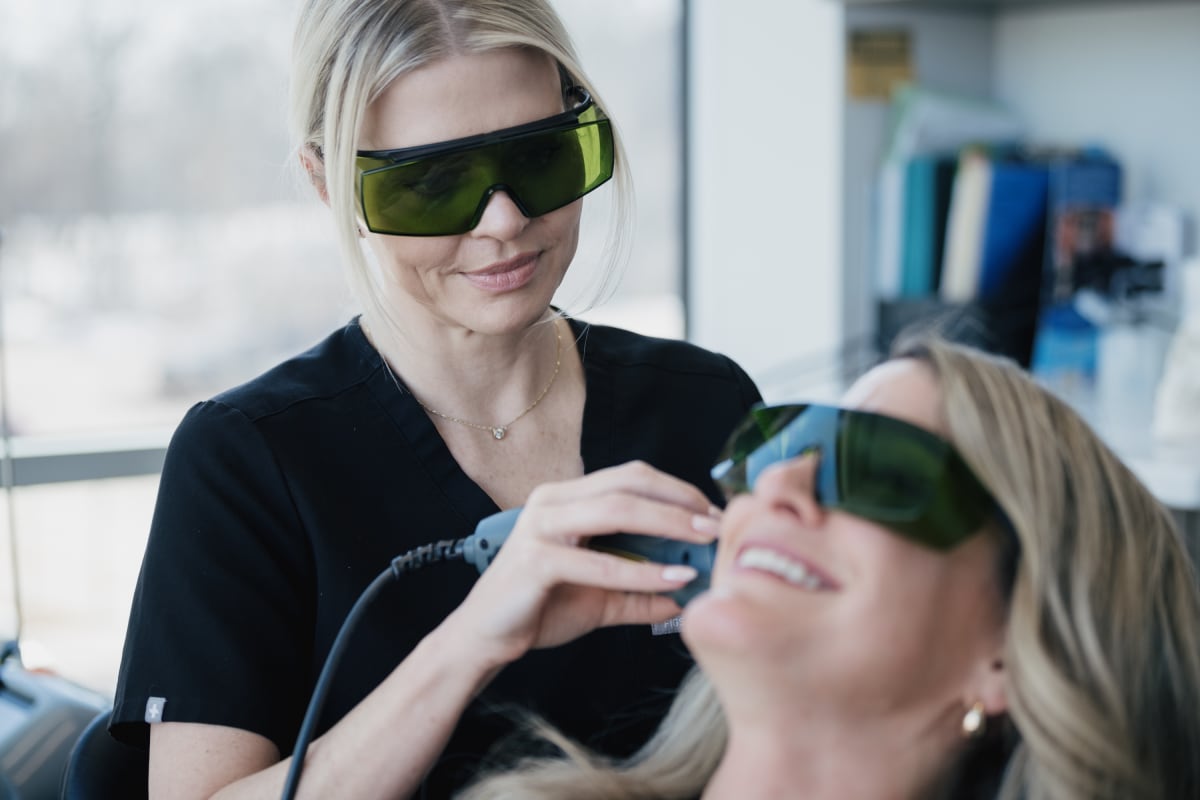
TMJ Treatment at Elmbrook Family Dental
Jaw pain, headaches, facial muscle tension, and clicking or popping sounds when opening and closing your mouth can all be signs of a temporomandibular joint (TMJ) disorder. These symptoms can range from mild discomfort to chronic pain that affects eating, speaking, sleeping, and overall quality of life.
At Elmbrook Family Dental, we provide non-surgical TMJ treatment focused on identifying the underlying causes of your symptoms and improving the function of your jaw. Because every case is different, the first step is a thorough evaluation to determine the most appropriate treatment approach for your specific needs.
We welcome patients from Brookfield, Wauwatosa, Elm Grove, Pewaukee, and the surrounding western Milwaukee suburbs who are seeking relief from TMJ-related symptoms.
Continue reading to learn more about TMJ disorders, common symptoms, available treatment options, and what to expect during your evaluation.
Quick Overview
- Jaw pain, headaches, facial muscle tension, and clicking or popping sounds may be symptoms of a TMJ disorder.
- A comprehensive evaluation of your bite, jaw joints, and oral health helps determine the cause of your symptoms and guide treatment recommendations.
- Many TMJ treatment plans involve a custom oral appliance designed to reduce strain on the jaw joints and protect against clenching or grinding.
- While treatment timelines vary, many patients notice gradual improvement in comfort and jaw function as they adjust to their appliance and follow their treatment plan.
Common Signs and Symptoms of TMJ Disorders
One of the most common questions people ask is whether their symptoms are actually related to a TMJ disorder. Because TMJ conditions can affect the jaw joints, muscles, and surrounding structures, symptoms are not always limited to the jaw itself. In some cases, people experience discomfort for months or years before realizing their symptoms may be connected.
During a TMJ evaluation, our team looks for signs of jaw joint dysfunction, muscle strain, teeth grinding, bite-related issues, and wear patterns that may contribute to ongoing discomfort. A comprehensive examination helps determine whether your symptoms may be related to the temporomandibular joints and surrounding muscles.
Symptoms That May Be Associated With TMJ Disorders
You do not need to experience every symptom on this list to have a TMJ disorder diagnosis. If several of these concerns sound familiar, it may be worth discussing them during your next dental visit:
- Jaw pain, soreness, or stiffness, especially in the morning
- Frequent headaches or facial muscle tension
- Clicking, popping, or grinding sounds when opening or closing the mouth
- Difficulty opening the mouth fully or a sensation that the jaw catches or locks
- Teeth grinding or clenching (bruxism), particularly during sleep
- Excessive tooth wear, flattened teeth, or unexplained chipped teeth
- Neck, shoulder, or facial muscle discomfort
- Pain or fatigue while chewing
- Changes in the way your teeth fit together when biting
Because these symptoms can have multiple causes, an evaluation is necessary to determine whether TMJ dysfunction may be contributing to your discomfort and what treatment options may be appropriate.
What TMJ Treatment Looks Like at Elmbrook Family Dental

Most TMJ treatment plans focus on reducing stress on the jaw joints and muscles, protecting the teeth from grinding and clenching, and helping the jaw function more comfortably during daily activities.
Treatment often centers around a custom oral appliance, such as a night guard or stabilization splint. Unlike over-the-counter options, these appliances are designed specifically for your bite and are intended to provide a more precise fit and level of support. By helping reduce pressure on the jaw joints and surrounding muscles, they can often lessen symptoms such as jaw soreness, headaches, facial tension, and discomfort associated with clenching or grinding.
What the Process Typically Includes
- Treatment planning: We review your symptoms, oral health, and bite to determine whether a custom oral appliance is an appropriate option.
- Custom appliance fabrication: Digital scans or impressions are used to create an appliance designed specifically for your mouth and bite relationship.
- Appliance delivery: Once your appliance is ready, we ensure it fits properly and provide instructions on when and how to wear it.
- Adjustment period: As your muscles and jaw joints adapt, symptoms may gradually improve over the following weeks.
- Follow-up visits: Periodic appointments allow us to monitor your progress and make adjustments to optimize comfort and effectiveness.
Many patients notice improvements in jaw comfort, muscle tension, and related symptoms after consistently wearing their appliance as directed. While treatment timelines vary, the goal is to help reduce strain on the jaw system and improve day-to-day comfort through a conservative, non-surgical approach.
How Long Does TMJ Treatment Take to Work?
Treatment timelines vary depending on the severity of symptoms, the underlying causes of jaw dysfunction, and how consistently an oral appliance is worn. While some people notice improvements relatively quickly, TMJ treatment is generally intended to provide gradual relief over time rather than an immediate fix.
A typical timeline may look something like this:
- First few weeks: As you begin wearing your custom oral appliance, your jaw muscles and joints start adapting to a more stable and supported position. Some patients notice a reduction in morning jaw soreness, muscle tension, or headache frequency during this period.
- One to two months: Continued use often leads to more consistent symptom improvement as strain on the jaw joints and surrounding muscles is reduced.
- Long-term management: For many patients, a custom oral appliance serves as an ongoing part of managing clenching, grinding, and TMJ-related discomfort. Consistent wear helps maintain the benefits achieved through treatment.
Follow-up visits allow our team to evaluate your progress and make any adjustments needed to improve the fit or function of your appliance. Because every patient responds differently, treatment recommendations and timelines are tailored to your individual needs and symptoms.
The goal of treatment is to improve comfort, reduce excessive stress on the jaw system, and help you return to normal daily activities with fewer TMJ-related symptoms.
Insurance and Payment Information for TMJ Treatment
The cost of TMJ treatment varies depending on the nature of your symptoms, the treatment recommended, and whether a custom oral appliance is needed. As complexity varies from case to case, an accurate cost estimate can only be provided after an evaluation has been completed and a treatment plan has been determined.
Insurance Coverage
Some dental insurance plans provide coverage for TMJ-related treatment, while others may offer limited benefits or exclude certain services. Coverage can vary significantly between plans and may depend on factors such as the diagnosis, recommended treatment, and plan-specific limitations.
Our team can help review your benefits and provide an estimate of anticipated coverage before treatment begins. This allows you to better understand your potential out-of-pocket costs and make informed decisions about your care.
Payment Options
For expenses not covered by insurance, we can discuss available payment and financing options. If a custom oral appliance is recommended, our team will review the anticipated costs, explain what is included in treatment, and answer any questions you may have before moving forward.
If you have questions about insurance benefits, treatment costs, or payment options, our team can provide additional information during your consultation and help you understand the financial aspects of your care. Our goal is to keep everything transparent, so you can receive the treatment you need, with no hidden costs.
Why Choose Elmbrook Family Dental for TMJ Treatment?
TMJ disorders can be frustrating because the symptoms often extend beyond the jaw itself. Headaches, facial muscle tension, tooth wear, clenching, grinding, and neck discomfort can all be connected, which is why a thorough understanding of bite function and overall oral health is an important part of treatment.
At Elmbrook Family Dental, our dentists have completed extensive continuing education in complex dental care, bite function, esthetic dentistry, and full-mouth rehabilitation through Spear Education. This additional training helps our team evaluate how the teeth, muscles, jaw joints, and bite work together and how those relationships may contribute to TMJ-related symptoms.
Just as important as clinical training is the way patients are treated when they come through our doors. TMJ symptoms can be difficult to explain, especially when they've been present for a long time or when previous attempts to find relief have been unsuccessful. Our team takes time to listen, understand your concerns, and discuss treatment options in clear, straightforward language.
Patients throughout Brookfield, Wauwatosa, Elm Grove, Pewaukee, and the surrounding western Milwaukee suburbs choose our practice because we provide:
- A comprehensive approach that considers your bite, jaw function, oral health, and symptoms together
- Custom oral appliances designed specifically for your individual needs
- Conservative, non-surgical treatment options focused on improving comfort and function
- Care delivered by a team committed to ongoing education and advanced clinical training
- Clear communication and treatment recommendations without pressure
- Convenient access to care through our Brookfield and Wauwatosa locations
A Patient-Centered Approach to TMJ Care
Our goal is not simply to provide an appliance. It is to help you understand what may be contributing to your symptoms, develop an appropriate treatment plan, and monitor your progress over time. Whether your concerns are recent or something you've been managing for years, our team is committed to providing thoughtful, individualized care in a welcoming environment.
Frequently Asked Questions
Is TMJ treatment covered by dental insurance?
It depends on your plan. Some dental insurance policies cover a portion of TMJ treatment, while others classify it under medical benefits instead. We recommend checking with your carrier directly. Our team is happy to help you understand what your plan may cover before any treatment begins.
Do I need a referral to be seen for jaw pain?
No referral needed. You can come in directly and we will evaluate what is going on from there. Many patients do not realize their dentist can address jaw pain, so they wait longer than they should. If you have been dealing with jaw or neck pain, it is worth bringing up at your next visit.
Will I have to wear a night guard forever?
Not necessarily. Some patients wear an appliance short-term while symptoms settle down, and others find ongoing use helpful for maintenance. Our team will give you a realistic picture based on what we find, not a one-size-fits-all answer.
Can TMJ treatment help with my headaches?
It can, yes. Jaw tension is a common contributor to morning headaches and facial soreness. Patients are often surprised by how much relief they notice once the underlying muscle strain is addressed.
What happens if I do not treat it?
TMJ issues rarely resolve on their own and tend to worsen over time. Untreated jaw tension can lead to worn teeth, worsening pain, and disrupted sleep. Catching it early makes treatment simpler and more effective.
How is a custom appliance different from a store-bought mouth guard?
A custom appliance is made from a precise impression of your teeth, which means it fits correctly and positions your jaw where it needs to be. Store-bought guards are generic, and they can actually increase muscle tension rather than reduce it. It is a meaningful difference, and one our team is glad to walk you through in person.
Find Relief From TMJ Symptoms
If jaw pain, headaches, clenching, or muscle tension have become part of your daily routine, it may be time for a closer look. TMJ disorders often do not improve on their own, but conservative treatment can help reduce strain on the jaw joints and muscles while improving comfort and function.
At Elmbrook Family Dental, our team combines advanced training in bite function and comprehensive dental care with a patient-centered approach that prioritizes listening, education, and individualized treatment recommendations. We'll take the time to understand your symptoms, answer your questions, and help you determine the most appropriate next steps.
To schedule a TMJ evaluation, please request an appointment online or visit us at the location that is most convenient to you!
- Brookfield (Barker Road): 595 North Barker Road, Suite 200, Brookfield, WI 53045 — (262) 747-0898
- Brookfield (Executive Drive): 125 North Executive Drive, Suite 105, Brookfield, WI 53005 — (262) 588-4318
- Wauwatosa: 800 N Mayfair Road, Suite 250, Wauwatosa, WI 53226 — (414) 441-1284
We're here to help you understand your options and find a path toward lasting relief.