

What Are All-on-4 Dental Implants?
If you've reached the point where you're tired of dealing with missing teeth, loose dentures, or ongoing problems with teeth that can't be predictably restored, you're probably looking for something more permanent. That's where All-on-4 dental implants come in.
Rather than replacing teeth one by one, this approach uses a small number of strategically placed implants to support an entire arch of replacement teeth. "All-on-4" is a term that describes the concept, not a fixed implant count for every patient. On the lower arch, four implants is typically the standard. On the upper arch, our team often places five or six to account for differences in bone density. The result either way is a fixed, full-arch restoration that stays in place and functions much more like natural teeth than traditional removable dentures.
One reason the procedure has become so popular is that it often works for patients who have experienced some degree of bone loss. By placing the implants at carefully planned angles, it's possible to maximize available bone and create a stable foundation without the extensive number of implants required in traditional approaches.
At Elmbrook Family Dental, our team helps patients throughout Brookfield, Wauwatosa, Elm Grove, Pewaukee, and the surrounding western Milwaukee suburbs determine whether this type of full-arch restoration is a realistic long-term solution for their smile, health, and lifestyle.
Keep reading to learn who qualifies, what treatment looks like, how recovery works, and what to expect throughout the process.
Quick Overview
- "All-on-4" is a term for full-arch implant restoration, not a guarantee of exactly four implants per arch. The lower jaw typically uses four implants; the upper often requires five or six.
- The restoration is fixed in place, not removable, and functions like natural teeth
- A thorough consultation, including imaging, is the first step to knowing whether you're a candidate
- Most patients leave surgery day with a temporary restoration in place, which may be a fixed bridge or a removable denture depending on bone structure
- Recovery is manageable, but it does require following post-op instructions closely
- The permanent restoration is placed after your jaw has fully healed, typically around four months after surgery
Who Is a Good Candidate for All-on-4?
All-on-4 is well-suited for a wide range of people, but it's not the right fit for everyone without some preparation first. Whether it makes sense for you depends on a few key factors, and that's exactly what a consultation is designed to work through.
What We Look For
Strong candidates for All-on-4 tend to share a few things in common:
- Significant tooth loss, whether most teeth are already gone or the remaining teeth are too compromised to save
- Enough jawbone density to support implant placement, or bone loss that falls within a range where the angled implant design used in full-arch restoration can work around it
- Overall health that supports healing from an oral surgical procedure
- A commitment to the follow-up care that keeps implants healthy long-term
What About Bone Loss?
Bone density is one of the questions we hear most often. Traditional implants frequently require bone grafting when there's been significant loss, but full-arch implant restoration was specifically designed to make use of the denser bone that tends to remain at the front of the jaw. It's worth noting that "All-on-4" is a term describing this approach, not a guarantee of exactly four implants per arch. The lower jaw typically uses four implants, while the upper jaw often requires five or six depending on bone structure and anatomy. That doesn't make bone health irrelevant, but it does mean more people qualify than they might expect.
What About Smoking?
Smoking doesn't automatically disqualify someone, but it does affect healing and long-term implant success. Our team will want to know upfront, and we'll give you a clear picture of what that means for your specific situation.
What If You're Not Quite Ready?
Every smile starts from a different place. Some patients are ready for All-on-4 right away, while others benefit from addressing gum health or other concerns first. The goal of your consultation is to understand exactly where you stand and what options make the most sense moving forward.
The Consultation and Treatment Planning Process
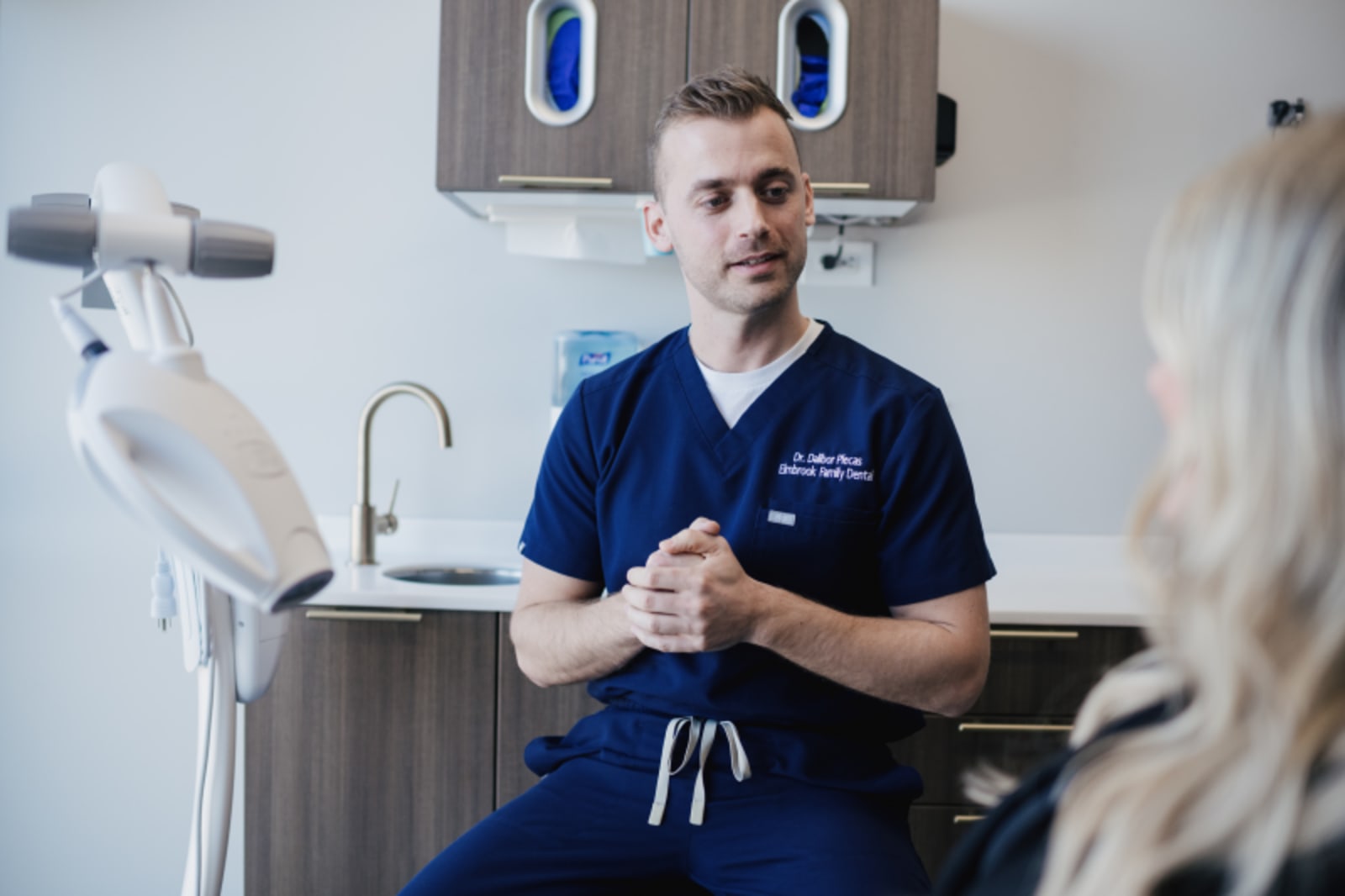
Before any implants are placed, the first step is a comprehensive consultation. This appointment gives our team the information needed to determine whether full arch implant restoration is the right solution for you and, if so, how treatment should be planned.
One thing worth clarifying early: "All-on-4" is a term used to describe this type of full arch restoration, but it doesn't mean every patient receives exactly four implants. On the lower arch, four implants is typically the standard. On the upper arch, our team often places five or six, depending on bone structure and what will provide the best long-term support. The number used in your case will be determined during the planning process.
Understanding Your Oral Health
Every case starts with a detailed evaluation. Our team will review your dental and medical history, examine your teeth and gums, and discuss any factors that could influence treatment or healing.
Advanced imaging plays an important role in this process. In addition to digital X-rays, we may recommend a CT scan to create a three-dimensional view of your jawbone, anatomy, and available bone support. This allows us to plan implant placement with precision and identify potential considerations before treatment begins.
Building a Personalized Treatment Plan
Just as important as the clinical evaluation is understanding what you're hoping to achieve. Some patients are looking for a more stable alternative to dentures. Others want to restore their ability to eat comfortably or feel more confident about their smile. Those goals help shape the treatment plan.
If additional steps are needed before implant placement, such as addressing active gum disease or other oral health concerns, we'll discuss those as part of the process and explain how they fit into the overall timeline.
What You'll Leave With
By the end of your consultation, you'll have a clear understanding of:
- Whether full arch implant restoration is a good fit for your situation
- The recommended treatment approach, including how many implants are planned for your case
- Any preparatory care that may be needed
- The expected timeline for treatment and healing
- Estimated costs and next steps
Our goal is simple: make sure you leave with answers, not uncertainty. We take time to explain your options, answer questions, and help you feel confident about whatever decision you make moving forward.
The Full-Arch Implant Surgery: What Happens on the Day
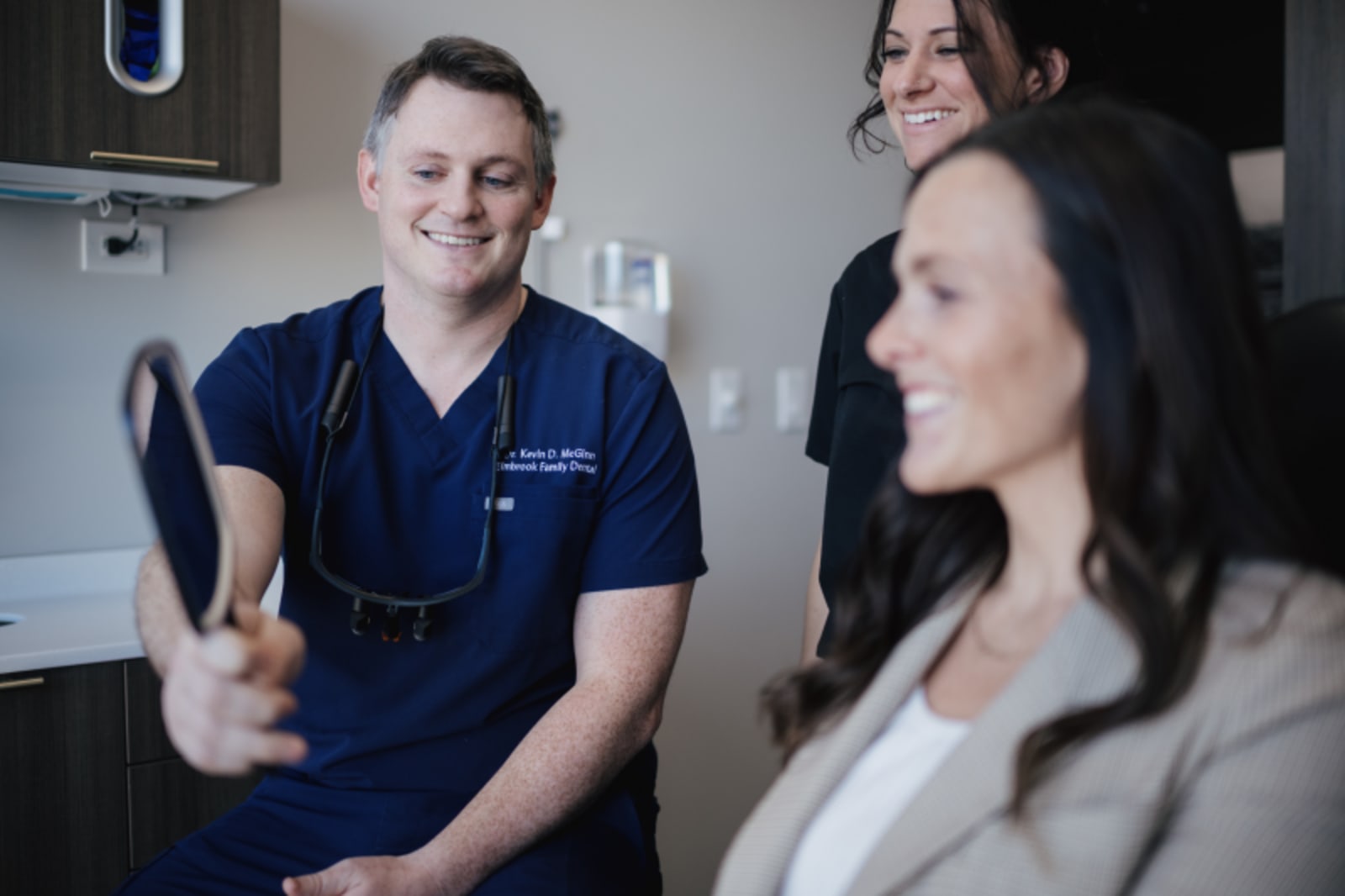
Your consultation questions are answered, your treatment plan is set, and now you're wondering what surgery day actually looks like. That's a fair thing to want to know before you commit. Here's what to expect.
Where Surgery Takes Place
The implant surgery is performed by a specialist oral surgeon we partner with, at their surgical facility. Our team coordinates your care throughout the process, but the surgical procedure itself takes place outside of our office. We'll make sure you know exactly where to go, what to bring, and what to expect before your appointment.
Getting Comfortable First
Anesthesia and sedation options are discussed with you ahead of time, so nothing is a surprise. Most procedures are performed with local anesthesia to numb the surgical area, and sedation is available for patients who want to feel more relaxed during the process. The surgical team will go over what's appropriate based on your health history and comfort level.
How the Implants Are Placed
"All-on-4" is a term that describes the concept of supporting a full arch of teeth on a small number of strategically placed implants. The actual number of implants used depends on which arch is being treated. For the lower jaw, four implants is typically the standard. For the upper jaw, five or six implants are more commonly used to account for differences in bone density.
In both cases, some of the implants are angled toward the back of the jaw, where bone density tends to be stronger. That angled placement is what allows this approach to work well for patients who have experienced some degree of bone loss, often without requiring grafting.
Leaving with Teeth the Same Day
After the implants are placed, a temporary restoration is attached the same day. That's the part people often call "teeth in a day," and it's real. Most patients leave surgery day with a temporary restoration in place, which may be a fixed bridge or a removable denture depending on your bone structure. It protects the implant sites while everything heals and functions far better than going without.
Plan to arrange a ride home after surgery, and expect to take it easy for the rest of the day. Our dental implants page has more detail on what comes next in the recovery process.
Recovery: The First Days and Weeks
Knowing what to expect after surgery can make recovery feel much more manageable. While healing after full arch implant treatment does require some patience, most patients find the process easier than they anticipated.
The First 48 to 72 Hours
The first few days are usually the most noticeable. Swelling, tenderness, and mild fatigue are all normal parts of healing. Swelling often peaks around day two or three before gradually improving. Most patients stay comfortable by following the post-operative instructions and taking any recommended medications as directed.
What to Eat During Recovery
Your mouth needs time to heal, so soft foods are important during the early stages of recovery. Good options include:
- Smoothies, yogurt, and protein shakes
- Mashed potatoes, scrambled eggs, and soft-cooked vegetables
- Soup cooled to a comfortable temperature
- Soft fish and well-cooked pasta
Hard, crunchy, or chewy foods should be avoided until our team tells you it's safe to reintroduce them.
Activity and Rest
Give your body time to recover during the first several days. We generally recommend avoiding:
- Strenuous exercise or heavy lifting
- Activities that significantly increase your heart rate
- Anything that could put pressure on the surgical area
Most patients return to normal daily activities within about a week, with continued improvement in the weeks that follow.
Support From Our Team
Before you leave the oral surgeon's office, you'll receive clear post-operative instructions so you know exactly what to expect at home. Our team stays closely involved throughout your recovery, and if questions come up, we're always here to help. Reaching out is completely normal, and we'd much rather answer a question than have you wondering on your own.
The Healing Phase and Osseointegration
While the initial recovery period is relatively short, the healing process continues beneath the surface for around four months. During this stage, your jawbone gradually bonds to the implants in a process called osseointegration.
What Osseointegration Means
As the bone heals around the implant posts, they become securely integrated into the jaw, much like natural tooth roots. This connection is what gives dental implants their long-term stability and durability.
Because this process takes time, rushing ahead isn't an option. Our team monitors your healing carefully to make sure the implants are fully supported before moving on to the final restoration.
Your Temporary Restoration
During this healing phase, you'll wear a temporary restoration -- either a fixed bridge or a removable denture depending on your bone structure -- that allows you to eat, speak, and smile while your implants integrate with the bone.
Healing Looks Different for Everyone
Several factors can influence the healing timeline, including:
- Bone quality and density
- Overall health and healing ability
- Smoking history
- Following post-operative instructions
Most importantly, this stage lays the foundation for the long-term success of your implants. Taking the time to heal properly helps ensure your final restoration is built on a stable, lasting foundation.
Your Permanent Prosthesis: What to Expect
After your implants have fully healed and integrated with the jawbone, it's time for the final step: placing your permanent restoration. For many patients, this is the moment everything starts to feel complete.
Your permanent prosthesis is custom-designed to fit your mouth, bite, and smile goals. Most patients receive a restoration made from one of two general material categories:
- Zirconia, known for its strength, natural translucency, and resistance to staining
- High-density acrylic with a titanium or metal substructure, which offers a combination of durability and a lifelike appearance.
Before it's placed, our team will review the final design and make sure every detail is ready to go.
What Happens at the Fitting Appointment
The fitting appointment is focused on making sure your new smile looks, feels, and functions the way it should. This typically includes:
- Placing the permanent restoration
- Checking the fit against your gums and jaw
- Evaluating your bite and alignment
- Making any necessary adjustments for comfort
What Changes After the Switch
While the temporary bridge allows you to function during healing, the permanent restoration is designed for long-term strength, comfort, and appearance. Patients often notice:
- More confidence when eating a wider variety of foods
- Improved comfort and stability
- A more refined, natural-looking smile
For many people, this appointment marks the point where treatment stops feeling temporary and starts feeling like a lasting solution.
Long-Term Care and Maintenance for Your All-on-4 Implants
Getting your new smile is a major milestone, but keeping it healthy requires ongoing care. The good news is that maintaining All-on-4 implants is usually straightforward once you settle into a routine.
Daily Care Matters
Even though your new teeth aren't natural teeth, the tissue and implants supporting them still need regular attention. Our team will show you exactly how to care for your restoration, but most routines include:
- Brushing daily with a soft-bristle toothbrush
- Cleaning beneath the arch with tools recommended by our team
- Using a water flosser or other implant-friendly cleaning aids
- Keeping up with good overall oral hygiene habits
Regular Checkups Help Protect Your Investment
Routine visits allow our team to monitor the implants, surrounding tissue, and restoration itself. Catching small concerns early is often the easiest way to prevent larger issues later.
Give us a call if you notice:
- Looseness or movement in the prosthesis
- Swelling, bleeding, or discomfort around the implants
- Changes in your bite
- Difficulty chewing that wasn't there before
Like any long-term restoration, All-on-4 implants perform best when they're cared for consistently. With proper maintenance and regular dental visits, many patients enjoy their results for years to come.
Cost and Planning for All-on-4 Treatment
One of the biggest questions surrounding All-on-4 treatment is cost. The challenge is that there isn't a single answer because every treatment plan is different.
Several factors can influence the overall investment, including:
- Whether extractions are needed
- The number of arches being treated
- The materials used for the final restoration
- Any preparatory treatment required before implant placement
- The complexity of your case
That's why a consultation is so important. Once we've completed an exam and reviewed your imaging, our team can provide a personalized treatment plan with a clear breakdown of costs, insurance coverage, timelines, and next steps. Our goal is simple: help you understand your options and make informed decisions without surprises.
Why Patients Choose Elmbrook Family Dental for All-on-4 Treatment

All-on-4 treatment is a significant decision, and choosing the right dental team matters just as much as choosing the treatment itself.
At Elmbrook Family Dental, we start with a thorough consultation and a clear understanding of your goals before recommending anything. Our team takes time to evaluate your oral health, review your imaging, answer questions, and explain what treatment would realistically involve.
What patients often appreciate most is the consistency. From your initial consultation through follow-up care, you'll have a team that knows your history, understands your goals, and is invested in your long-term success.
If you're wondering whether All-on-4 is the right fit, the best place to start is with a conversation. Reach out to the location that's most convenient for you:
Brookfield (Barker Road): (262) 747-0898 | 595 N. Barker Road, Suite 200, Brookfield, WI 53045
Brookfield (Executive Drive): (262) 588-4318 | 125 N. Executive Drive, Suite 105, Brookfield, WI 53005
Wauwatosa: (414) 441-1284 | 800 N. Mayfair Road, Suite 250, Wauwatosa, WI 53226
We're open Monday through Thursday from 7 a.m. to 5 p.m. and Friday from 7 a.m. to 3 p.m. Whenever you're ready, you can request a consultation. We're here to help you explore your options and find a path forward that feels right for you.